- Turn off non-essential lights from 11 p.m. to 6 a.m.
- Avoid using landscape lighting on trees where birds may be nesting
- For essential lights, try these practices to minimize light pollution:
- Aim lights down
- Use motion detectors so lights go on only when you need them
- Close blinds at night to minimize lights being emitted from windows
Thursday, March 12, 2026
Lights Out, Texas!
Thursday, February 26, 2026
Fear of Falling? You need A Matter of Balance!
According to a compiled list of fall-related statistics by the National Council on Aging (2023), 1 in 4 Americans over age sixty-five fall every year, making falls the leading cause of fatal and non-fatal injuries in the United States. Additionally, every eleven seconds someone over age sixty-five is treated in the emergency room for fall-related injuries and every nineteen minutes someone dies from a fall-related injury. In other words, falls are responsible for more than 3 million ER visits and more than 32,000 deaths annually. The fear of falling can lead to reduced activities, physical health decline, social isolation, and depression.
Aging comes with a variety of unique quirks, oddities, and issues, but falling and fall-related injuries are at the top of the list of concerns. Factors contributing to fall risks include,
- Physical Factors: Age-related changes in vision, balance, and muscle strength can increase the likelihood of falls. Chronic health conditions such as arthritis, osteoporosis, and Parkinson's disease can also impair mobility and balance, making individuals more susceptible to falls.
- Environmental Hazards: Cluttered living spaces, inadequate lighting, slippery floors, uneven surfaces, and lack of handrails or grab-bars significantly contribute to fall risks.
- Medications: Certain medications, particularly those that cause dizziness, drowsiness, or changes in blood pressure, can increase the risk of falls.
- Lifestyle Factors: Sedentary behavior, lack of physical activity, and poor nutrition can weaken muscles, decrease bone density, and compromise overall health, thereby increasing susceptibility to falls.
Falling, fall-related injuries, and a fear of falling do not have to be a guaranteed part of aging. Falls can be avoided through lifestyle changes and participation in evidence-based fall prevention programs. A Matter of Balance (AMOB), an eight-session evidence-based fall prevention program, has been specifically designed to help seniors aged sixty and older reduce their fear of falling and increase activity levels. Many older adults who develop this fear often limit their activities, which can result in physical weakness, making the risk of falling even greater. Activities are conducted in two-hour sessions once a week over an eight-week period. AMOB addresses physical, environmental, medical, and lifestyle factors associated with falling along with introducing evidence-based exercises. Attending an AMOB course significantly reduces the risk of falls and helps improve quality of life for aging individuals.
Rains County AgriLife is hosting A Matter of Balance. This eight-session program will be held every Wednesday from 10:00 am -12:00 noon beginning April 1st at the Rains County AgriLife Extension office, 410 Tawakoni, Emory, Texas 75440. Please consider joining us if you are concerned about falls, have fallen in the past, have restricted your activities due to falling concerns, or have an interest in improving balance, flexibility, and strength.
Call to reserve your spot! If you or someone you love has experienced a fall or has a fear of falling, click here or call the Rains County AgriLife Extension office at (903) 473-4580 to reserve your spot. Space is limited. This program is open to all and is free of charge.
If you have questions or concerns, please contact me, (903) 473-4580 or email Sarah.Latham@ag.tamu.edu. To view upcoming events or additional information please visit https://rains.agrilife.org/ or follow Rains County AgriLife on Facebook.
Friday, May 2, 2025
Skin Cancer Awareness
May is Skin Cancer Awareness Month, a time to share information, encourage skin checks, and promote healthy habits. Skin cancer is the most common type of cancer worldwide with at least one in five Americans developing skin cancer by the age of 70. Despite its prevalence, skin cancer is one of the most preventable forms of cancer, and early detection significantly improves outcomes; when detected early, the 5-year survival rate for melanoma is 99%. Raising awareness about skin cancer is essential to encourage protective behaviors, promote regular screenings, and ultimately save lives.
Skin cancer occurs when abnormal cells grow uncontrollably in the skin’s layers, often due to DNA damage caused by ultraviolet (UV) radiation from the sun or tanning beds. The three main types of skin cancer are:
- Basal Cell Carcinoma (BCC): The most common and least aggressive, often appearing as a pearly or waxy bump.
- Squamous Cell Carcinoma (SCC): Typically appears as a firm, red nodule or a scaly, crusted lesion.
- Melanoma: The deadliest form, developing in the pigment-producing melanocytes. It can spread quickly if not treated early.
Several factors can increase the risk of developing skin cancer:
- Excessive sun exposure, especially without protection
- Use of tanning beds
- Fair skin, light-colored eyes, and a history of sunburns
- Family or personal history of skin cancer
- A large number of moles or atypical moles
When detected early, skin cancer is highly treatable. Melanoma has a high survival rate when caught in its initial stages. That is why skin self-exams and regular dermatologist checkups are crucial. The ABCDE rule can help identify warning signs of melanoma:
- Asymmetry: One half doesn’t match the other
- Border: Edges are irregular or blurred
- Color: Varied shades of brown, black, or other colors
- Diameter: Larger than 6mm (about the size of a pencil eraser)
- Evolving: Changing in size, shape, or color
Skin cancer is largely preventable by adopting simple yet effective sun safety habits. If you plan on being outdoors, even on a cloudy day, it is extremely important to apply a broad-spectrum sunscreen (SPF 30 or higher). Also, make sure you reapply sunscreen every two hours, or after swimming or sweating. Wearing protective clothing, sunglasses, and wide-brimmed hats adds an additional layer of protection from the sun’s harmful rays. Seek shelter or shade between 10:00 am and 4:00 pm when the sun’s rays are the strongest.
Skin cancer can affect anyone, regardless of age, gender, or ethnicity. Awareness is the first step toward prevention and early detection. By educating ourselves and others, we can reduce the incidence of skin cancer and protect our health. Remember... your skin is your body’s largest organ, make sure you take care of it!
If you have questions or concerns, please contact me, (903) 473-4580 or email Sarah.Latham@ag.tamu.edu. To view upcoming events or additional information please visit https://rains.agrilife.org/ or follow Rains County AgriLife on Facebook.
Friday, March 21, 2025
The Benefits of Adding Fiber to Your Diet
In today’s fast-paced world, maintaining a healthy diet can be challenging. One essential yet often overlooked nutrient is dietary fiber. Found primarily in fruits, vegetables, whole grains, and legumes, fiber plays a crucial role in maintaining overall health. Increasing fiber intake can bring about numerous benefits, ranging from improved digestion to better heart health.
There are two types of fiber – soluble and insoluble – both are important to have in your diet.
- Soluble fiber dissolves in water and forms a gel-like substance in your stomach, which slows down digestion. Soluble fiber is found in foods such as oat bran, barley, nuts, seeds, beans, lentils, peas, and some fruits and vegetables.
- Insoluble fiber does not dissolve in water and remains mostly intact as it passes through your GI tract. It adds bulk to the stool and helps with the passage of digested food through the stomach and intestines. Insoluble fiber is found in foods such as wheat bran, vegetables (non-starchy), and whole grains.
Improved Digestive Health
Fiber is best known for its role in promoting a healthy digestive system. It helps regulate bowel movements, preventing constipation by adding bulk to stool and facilitating smoother passage through the intestines. Insoluble fiber, found in foods like whole wheat, nuts, and vegetables, supports gut health by ensuring efficient waste elimination. Meanwhile, soluble fiber, present in foods like oats, beans, and apples, absorbs water to form a gel-like substance that aids digestion and prevents diarrhea.
Heart Health Benefits
A fiber-rich diet has been linked to improved cardiovascular health. Soluble fiber helps lower cholesterol levels by binding with cholesterol particles and removing them from the body before they can be absorbed into the bloodstream. Studies show that individuals who consume more fiber have a reduced risk of heart disease, hypertension, and stroke. Whole grains, legumes, and fruits like berries and citrus are excellent sources of heart-friendly fiber.
Blood Sugar Regulation
For individuals managing diabetes or at risk of developing the condition, fiber can be particularly beneficial. Soluble fiber slows the absorption of sugar, helping regulate blood sugar levels and preventing spikes. This leads to better glycemic control, which is essential for managing diabetes. High-fiber foods like legumes, whole grains, and non-starchy vegetables can aid in maintaining stable blood sugar levels throughout the day.
Weight Management and Satiety
Incorporating more fiber into the diet can also assist with weight management. High-fiber foods tend to be more filling, helping individuals feel satisfied for longer periods and reducing the likelihood of overeating. Fiber-rich foods are often lower in calories while still providing essential nutrients, making them an excellent choice for those looking to maintain or lose weight in a healthy manner.
Gut Microbiome Support
The gut microbiome, composed of trillions of bacteria, plays a crucial role in digestion, immune function, and overall well-being. Fiber serves as a prebiotic, feeding beneficial gut bacteria and promoting a balanced gut microbiome. A healthy gut environment has been associated with a lower risk of inflammation, better immune response, and even improved mental health.
Tips for Increasing Fiber Intake
Start your day with whole grains such as oatmeal or whole wheat toast. Include more fruits and vegetables in meals and snacks. Opt for legumes like lentils, chickpeas, and black beans as protein sources. Choose whole grains like quinoa, brown rice, and whole wheat pasta instead of refined grains. Snack on nuts, seeds, and high-fiber foods like popcorn. Gradually increase fiber intake and drink plenty of water to aid digestion.
Adding more fiber to your diet is a simple yet effective way to enhance overall health. From improved digestion and heart health to better blood sugar control and weight management, the benefits are extensive. By incorporating a variety of fiber-rich foods into daily meals, individuals can enjoy a healthier, more balanced lifestyle. Start small, make gradual changes, and experience the positive impact fiber can have on your well-being.
If you have questions or concerns, please contact me, (903)
473-4580 or email Sarah.Latham@ag.tamu.edu. To view upcoming events or
additional information please visit https://rains.agrilife.org/ or follow RainsCounty AgriLife on Facebook.
Friday, February 21, 2025
Fight Falls with A Matter of Balance
Aging brings a range of unexpected challenges, emotions, and fears, but falling and fall-related injuries continue to top of the list of concerns for aging Americans. Falling is a sudden and often unexpected loss of balance that can result in injury, ranging from minor bruises to severe fractures or head trauma. It can occur due to various factors, including physical conditions like muscle weakness or poor vision, environmental hazards such as slippery floors or uneven surfaces, and external influences like distractions or improper footwear. Falls are particularly dangerous for older adults, as they can lead to long-term mobility issues and a loss of independence.
Falls are the leading cause of fatal and non-fatal injuries in the US. According to the National Council on Aging (2023), 1 in 4 Americans over age sixty-five fall every year. Additionally, every eleven seconds someone over age sixty-five is treated in the emergency room for fall-related injuries and every nineteen minutes someone dies from a fall-related injury. In other words, falls are responsible for more than 3 million ER visits and more than 32,000 deaths annually. The fear of falling can lead to reduced activities, physical health decline, social isolation, and depression. However, falls can be prevented by staying active, maintaining a safe environment, and taking precautions. By understanding the causes and risks associated with falling, individuals can take proactive steps to reduce their likelihood and maintain overall well-being.
Factors Contributing to Fall Risks:
- Physical Factors: Age-related changes in vision, balance, and muscle strength can increase the likelihood of falls. Chronic health conditions such as arthritis, osteoporosis, and Parkinson's disease can also impair mobility and balance, making individuals more susceptible to falls.
- Environmental Hazards: Cluttered living spaces, inadequate lighting, slippery floors, uneven surfaces, and lack of handrails or grab bars significantly contribute to fall risks.
- Medications: Certain medications, particularly those that cause dizziness, drowsiness, or changes in blood pressure, can increase the risk of falls.
- Lifestyle Factors: Sedentary behavior, lack of physical activity, and poor nutrition can weaken muscles, decrease bone density, and compromise overall health, thereby increasing susceptibility to falls.
Falling, fall-related injuries, and a fear of falling do not have to be a guaranteed part of aging. Falls can be avoided through lifestyle changes and participation in evidence-based fall prevention programs. A Matter of Balance (AMOB), an eight-session evidence-based fall prevention program, has been specifically designed to help seniors aged sixty and older reduce their fear of falling and increase activity levels. Many older adults who develop this fear often limit their activities, which can result in physical weakness, making the risk of falling even greater. Activities are conducted in two-hour sessions once a week over an eight-week period. AMOB addresses physical, environmental, medical, and lifestyle factors associated with falling along with introducing evidence-based exercises. Attending an AMOB course significantly reduces the risk of falls and helps improve quality of life for aging individuals.
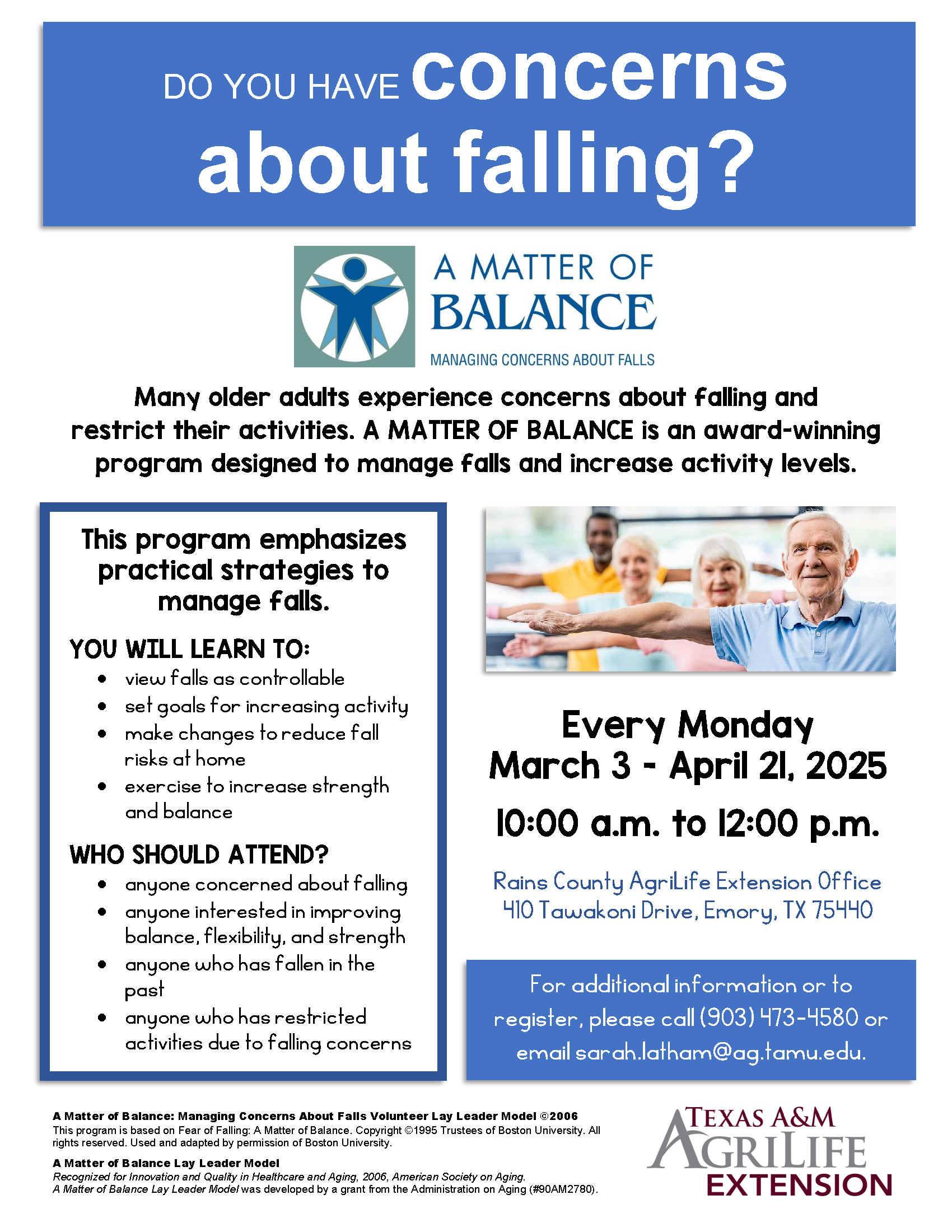
Rains County AgriLife is hosting A Matter of Balance. This eight-session program will be held every Monday from 10:00 am -12:00 noon, March 3rd through April 21st at the Rains County AgriLife Extension office, 410 Tawakoni, Emory, Texas 75440. Please join us if you are concerned about falls, have fallen in the past, have restricted your activities due to falling concerns, or have an interest in improving balance, flexibility, and strength.
If you or someone you love has experienced a fall or has a fear of falling, call the Rains County AgriLife Extension office at (903) 473-4580 to reserve your spot. Space is limited. This program is open to all and is free of charge.
If you have questions or concerns, please contact me, (903) 473-4580 or email Sarah.Latham@ag.tamu.edu. To view upcoming events or additional information please visit https://rains.agrilife.org/ or follow Rains County AgriLife on Facebook.
Friday, January 10, 2025
Protecting the 3 Ps (Pets, Plants, & Pipes) in Winter Weather
Protecting Pets. Texas A&M Veterinary Medical Diagnostic Laboratory provides tips about caring for pets during winter weather.
- Pets should be kept inside during the day and night. If dogs must be left outside for any time, they should have a draft-free shelter large enough to stand and turn around in, yet small enough to retain body heat. Use a layer of straw or other bedding material to help insulate them against the cold. Make sure the entrance faces away from the incoming wind and snow.
- When possible, keep smaller dogs and cats indoors during freezing temperatures. Be mindful that cats left outdoors in cold weather seek shelter and heat under the hoods of automobiles and can be injured or killed when starting the engine. Banging loudly on the hood of your car a few times before starting the engine will help avoid tragedy.
- Be aware of pets around salt and deicing chemicals. Salt and chemicals on sidewalks to combat ice buildup can irritate skin and are easily ingested. Thoroughly clean your pets’ paws, legs and abdomen to prevent ingestion of toxic substances and prevent their pads from becoming dry and irritated. Signs of toxic ingestion include excessive drooling, vomiting, and depression.
Winter is also a good time to leave pets’ coats a little longer than normal to provide extra warmth.
Protecting Plants. Frosts and freezes can damage or kill exposed plants, especially those in containers. Damage can vary greatly among plant varieties, and cold-sensitive plants will require more protection than hardier plants.
Watering plants and making sure they are not drought-stressed before freezing temperatures arrive can help. Watering just before the freeze can also help because water creates warmth and loses heat slowly. Drought-stressed plants are more susceptible to the cold. If you are not able to bring plants inside, the best option is to cover and place them in a location that gets ample sunlight.
Plants in containers should be moved inside the home or garage, any space where temperatures will stay above freezing. If container plants are unable to move indoors, put them on the south side of the house, water them well and pile on mulch, leaves, or hay to protect the roots and/or cover them with a frost blanket. Cold-sensitive landscape plants can also be covered with similar protection.
When covering plants, drape them with cardboard or cloth material to the ground and secure it. The idea is to trap enough warmer air escaping from the soil to protect plants from a killing freeze. Not ready to put up the holiday lights, stringing them around sensitive plants and covering them with a tarp can provide protection from light freezes.
Protect Pipes. When it comes to winter weather freeze damage to your home, protecting exposed pipes is critical when temperatures dip below freezing. Homeowners should protect pipes around the house or in wellhouses before temperatures drop below freezing.
Water pipes can freeze and burst when the outside temperature reaches 20 degrees or below, but you should take precautions anytime temperatures are expected to dip below freezing. Pipes with northern exposure face an increased risk of freezing and bursting. Additionally, exposed pipes, including outdoor faucets, water sprinklers, water pipes in basements, crawl spaces, attics or garages, pipes running along exterior walls, swimming pool supply lines and well houses are especially susceptible to freezing temperatures.
Letting indoor faucets drip may also help during prolonged freezing temperatures, and using heat lamps to raise temperatures in lesser-insulated spaces with pipes like well houses or basements may also help prevent busted pipes.
Many protective products to insulate water pipes like sleeves, insulation, or heat tape are available at local plumbing supply retailers. If you are not able to locate protective products in stores, newspapers can also provide a slight level of protection when wrapped thoroughly around exposed pipes.
For more winter weather safety and preparation tips, visit https://agentsarah.blogspot.com/2024/01/.
If you have questions or concerns, please contact me, (903) 473-4580 or email Sarah.Latham@ag.tamu.edu. To view upcoming events or additional information please visit https://rains.agrilife.org/ or follow Rains County AgriLife on Facebook.
Thursday, October 3, 2024
October is Health Literacy Month
Health literacy is an essential skill that impacts nearly every aspect of our well-being. From understanding a doctor's instructions to navigating the healthcare system and making informed choices about treatment options, health literacy plays a crucial role in maintaining good health and managing illnesses. But what exactly is health literacy, and why is it so important?
Health literacy refers to the ability to obtain, process, and understand basic health information and services needed to make appropriate health decisions. It involves more than just reading medical brochures or following a prescription label; it encompasses the capacity to communicate, assess risks and benefits, and make informed choices about personal health and the health of others.
In simpler terms, it is about how well people can find, understand, and use health-related information to improve their own health and make educated decisions. Health literacy is not just about individuals, it also involves how well healthcare providers, systems, and organizations communicate information in a way that is understandable and accessible.
Health literacy is important because it directly affects the quality of healthcare outcomes. People with lower health literacy often struggle to navigate the healthcare system, understand medical instructions, and manage chronic conditions. This can lead to misdiagnosis, unnecessary hospitalizations, incorrect medication usage, and poor health outcomes. Health literacy matters because:
- Improved Communication with Healthcare Providers: Patients who are health literate are better equipped to understand medical instructions, ask the right questions, and communicate their concerns more effectively. This leads to better care and stronger doctor-patient relationships.
- Better Management of Chronic Diseases: Many chronic diseases, such as diabetes or hypertension, require careful self-management, including medication adherence, diet, and lifestyle changes. Health literacy enables patients to make informed choices that prevent complications and improve their quality of life.
- Informed Decision-Making: Health literacy empowers people to weigh the risks and benefits of different treatment options, allowing them to make choices that align with their values and preferences. This becomes particularly important when dealing with complex medical issues or when undergoing significant procedures.
- Prevention and Wellness: A person with high health literacy is more likely to engage in preventive health measures like vaccinations, regular screenings, and healthy lifestyle choices. This helps reduce the risk of disease and promotes overall well-being.
- Reduction of Healthcare Costs: When people understand how to manage their health, it leads to fewer emergency room visits and hospital admissions, lowering overall healthcare costs. Inadequate health literacy can result in preventable health issues and higher expenditures for both individuals and healthcare systems.
Health literacy is influenced by a variety of factors, including:
- Education Level: While education plays a role, even highly educated individuals can struggle with health literacy, especially when faced with complex medical jargon.
- Language and Culture: Non-native speakers or those from different cultural backgrounds may face additional barriers in understanding health-related information, particularly when healthcare providers fail to take these factors into account.
- Cognitive and Physical Abilities: Individuals with disabilities, learning difficulties, or mental health conditions may encounter more obstacles when accessing and interpreting health information.
- Healthcare System Complexity: The more complex the healthcare system is, the harder it is for people to navigate. Administrative barriers, complicated insurance rules, and medical terminology can hinder comprehension.
While health literacy is a challenge, there are many ways to improve it. Healthcare providers should aim to communicate in clear, easy-to-understand language. Using everyday words instead of medical jargon can help patients understand their conditions and treatment options. They should also provide clear and comprehensive health educational materials, including visual aids and interactive tools, which can enhance understanding.
Healthcare providers should aim to create a supportive environment where patients feel comfortable asking questions and seeking clarification is key. Lastly, health literacy programs in schools, community centers, and workplaces can equip individuals with the skills they need to manage their health. These programs often focus on teaching people how to access and evaluate reliable health information.
Health literacy is a cornerstone of good health, yet it is often overlooked. By improving health literacy, we can empower individuals to take charge of their health, make better decisions, and reduce healthcare costs. It is not just about reading medical information; it’s about understanding it, applying it, and using it to lead healthier, more informed lives. Everyone, from patients to healthcare providers, plays a role in fostering an environment where health literacy can thrive.
If you have questions or concerns, please contact me, (903) 473-4580 or email Sarah.Latham@ag.tamu.edu. To view upcoming events or additional information please visit https://rains.agrilife.org/ or follow Rains County AgriLife on Facebook.
Thursday, August 1, 2024
Kids Kitchen Skills
If I had a dollar for every time my kids asked me what we were eating for dinner, well, I would be off on an island somewhere enjoying my millions of dollars and not writing this article. But since that does not seem to be in my cards, it is probably best to figure out a way that question doesn’t make me lose my mind! Meal planning and preparation is one of the most important life skills you can instill in your children and grandchildren. Plus, if they are comfortable in the kitchen, maybe I will hear that question a few less times.
Food makes us feel comfortable and safe; we plan major events and family gatherings around food. So, it is not hard to see why many people see food as a love language. Engaging your children in family mealtime helps create close bonds, teaches your children about healthy eating, and teaches them about kitchen safety. Preparing meals and cooking together not only builds excitement but starts daily conversations.
Engage your children in preparing meals with easy skills that will last a lifetime. Start with basic skills appropriate for their age and interest.
- For younger children, ages 2-5, make basic tasks seem important, especially since their attention span is shorter. Try tasks such as washing produce, stirring batter or dressings, measuring, pouring liquid, and cutting soft foods with a plastic knife.
- Children 6-8 years old are always eager to help. You can practice their reading, by reading recipes together and practice simple math when measuring foods. Children in this age group can help peel fruits and vegetables, use small gadgets like a can opener, collect ingredients to make a recipe (scavenger hunt), and help decorate desserts.
- Older children, from 9-12 years old, can provide more assistance in preparing meals. Basic knife skills and food safety, as well as knowing how to use appliances, should be easy for this age group. Children can help trim and slice foods, use a blender or standing mixer and sauté foods in a skillet.
- Teenage children, from ages 13-16, can be your personal sous chefs. Planning and preparing some easy meals should be an easy task for them. Using knife skills, such as chopping, slicing, dicing, and mincing can be completed with adult supervision. Following a recipe from beginning to end encourages independence and accomplishment. Learning how to grill on an outdoor grill can also be a new task to research and learn.
Encouraging your children to help in the kitchen fosters life skills while also building a connection with them. It is important to always have an adult present in the kitchen, regardless of age, to keep everyone safe. Also, remember to follow good food safety practices to prevent cross contamination. You can learn more about food safety, cooking tips and tricks, and healthy recipes at https://dinnertonight.tamu.edu/.
If you have questions or concerns, please contact me, (903) 473-4580 or email Sarah.Latham@ag.tamu.edu. To view upcoming events or additional information please visit https://rains.agrilife.org/ or follow Rains County AgriLife on Facebook.
Thursday, July 4, 2024
Common Tomato Issues
One of the best parts of summer in Texas is eating a homegrown tomato. However, eating them and growing them often resemble a love hate relationship. Throughout the summer, you face the constant threat of insects, diseases, heat, or drought ruining your garden. If you are lucky enough to have perfect growing conditions, be thankful, but if you are like most of us, conditions are rarely perfect. If you have ever wondered what is causing your tomatoes to crack, this article is for you.
Splitting and Cracking. Heavy rain, especially after a dry spell, is the main cause of fruit splitting and cracking. This damage usually occurs as tomatoes ripen, though green fruits can be affected too.
![]() |
Radial Cracking. Photo Credit: NC Cooperative Extension |
![]() |
| Concentric Cracking. Photo Credit: NC Cooperative Extension |
![]() |
| Blossom End Rot. Photo Credit: UC IPM Project |
![]() |
| Leaf Rolling. Photo credit: AgriLife Today |
The best way to minimize fruit cracking, blossom end rot, and leaf curling in tomatoes is to maintain even soil moisture levels by watering during droughts. Most vegetables need about one inch of water per week. Soaker hoses and drip irrigation systems are the best methods as they apply water directly to the soil, reducing evaporation and keeping plant leaves dry, which helps prevent leaf diseases. Mulching your vegetable garden also helps keep the soil evenly moist and reduces moisture-related problems.
Rainy weather and wet soil can also lead to wilt diseases and leaf diseases like early blight. If you suspect your tomatoes have a disease or insect problem, get an accurate diagnosis before taking any action. Contact the Rains County Extension office for assistance.
If you have questions or concerns, please contact me, (903) 473-4580 or email Sarah.Latham@ag.tamu.edu. To view upcoming events or additional information please visit https://rains.agrilife.org/ or follow Rains County AgriLife on Facebook.
Thursday, June 20, 2024
UV Safety in a Texas Summer
The Texas summer is here, are you ready? Summer brings the longest days giving us more time to spend outdoors having fun; from vacations, biking, and hiking, or just enjoying ice cream, watermelons, or popsicles, summer brings memories of younger days and family togetherness. As we look forward to making new memories, we can plan for a safe summer by reducing the risk of harmful effects of UV exposure.
| UV Index. https://www.epa.gov/enviro/uv-index-overview |
Ultraviolet light is radiation emitted naturally from the sun, but can also be man-made, an example being tanning beds. Classified in wavelengths, UVC light is blocked by the Earth’s ozone layer, but the sun’s UVA & UVB affect the skin differently with UVA causing wrinkling (premature aging) due to penetrating deeper into the skin and UVB causing sunburns. Overexposure increases risk of developing skin cancer. Cautions are placed on the times of exposure due to UV radiation being strongest between 10:00 a.m. to 4:00 p.m.
A benefit of UV radiation is Vitamin D production, which helps calcium and phosphorous to be absorbed by the body and helps in bone development. According to the World Health Organization, 5 to 15 minutes of sun exposure 2 to 3 times a week is recommended. Prolonged UV exposure can cause premature aging, cataracts, and skin cancer, not to mention painful sunburns. The most dangerous UV radiation is artificial indoor tanning. Take precautions before you head out the door for summer activities to reduce the risk of UV radiation by following some simple steps.
- Stay in the shade: Look for shaded areas under trees or bring an umbrella or pop-up shelter, especially during peak hours. Know the EPA’s shadow rule: If your shadow is taller than you are, UV exposure is lower. If your shadow is shorter than you, UV exposure is higher. Remember that surfaces, such as water, snow, white sand, and cement, reflect the sun’s damaging rays and can increase chances of sunburn. Cloudy days do not block the sun’s rays, which are just filtered. In higher altitudes, UV exposure is higher due to less atmosphere to absorb UV radiation.
- Wear Protective clothing: Thanks to clothing, the skin is partially shielded from UV rays. Choose long-sleeved shirts and long pants made from tightly woven fabric. Be aware that wet clothes offer less protection than dry ones and dark colors offer more protection that light ones. To cover your face and neck, wear wide-brimmed hats.
- Protect the eyes: Not only do sunglasses help protect the eyes from UV rays, they also reduce cataract risk later in life. Choose UV resistant sunglasses that wrap around and block both UVA and UVB rays; polarized sunglasses just reduce glare.
- Use Sunscreen: Sunscreen works by absorbing, reflecting and scattering sunlight from our skin. The SPF (Sun Protection Factor) number measures how well it blocks UV rays, with higher numbers offering more protection. Do not forget to check the expiration date, those without a date are good for three years, and less if they have been exposed to high temperatures. An SPF of at least 15, offers protection against both UVA and UVB (broad spectrum) radiation. Purchasing the right SPF sunscreen depends on what exposure you will be having fun in. Apply broad-spectrum sunscreen twenty minutes before you head out. Reapply every two hours, after swimming, toweling off, or sweating.
- Avoid Indoor Tanning: According to the CDC, the UV radiation from “indoor tanning significantly increases the risk of developing melanoma, basal, and squamous cell cancers.” It also causes premature aging of the skin and suppresses the immune system.
- Learn about the UV Index: In as little as 15 minutes, the sun’s UV rays can cause damage to unprotected skin. Plan to check the U.S. Environmental Protection Agency’s UV Index by visiting https://www.epa.gov/enviro/uv-index-search to determine your favorite vacation spot’s UV radiation intensity. Rated on a scale from 1-11, suggestions are offered on to help you plan for your protection.
If you have questions or concerns, please contact me, (903) 473-4580 or email Sarah.Latham@ag.tamu.edu. To view upcoming events or additional information please visit https://rains.agrilife.org/ or follow Rains County AgriLife on Facebook.
Thursday, June 6, 2024
June is Brain Health Awareness Month
![]() |
| Visit alz.org/healthyhabits for more healthy brain habits. |
The brain is the epicenter of our nervous system, responsible for processing sensory information, regulating bodily functions, and enabling thought, memory, and emotions. A healthy brain ensures optimal performance in these areas, contributing to better quality of life. Poor brain health can lead to cognitive decline, mental health disorders, and neurodegenerative diseases like Alzheimer's and Parkinson's.
Several factors influence brain health, ranging from genetics and lifestyle choices to environmental exposures and medical conditions.
- Genetics - Family history plays a significant role in determining susceptibility to brain-related conditions. While we cannot change our genetic makeup, understanding genetic risks can guide preventive measures.
- Lifestyle Choices - Diet, physical activity, sleep, and stress management are critical components of brain health.
- Nutrition - Diets rich in antioxidants, omega-3 fatty acids, and vitamins support cognitive function and protect against oxidative stress. Foods like berries, fatty fish, nuts, and leafy greens are particularly beneficial.
- Physical Activity - Regular exercise improves blood flow to the brain, promotes neurogenesis (the creation of new neurons), and enhances cognitive abilities.
- Sleep - Quality sleep is essential for memory consolidation, toxin removal, and overall cognitive function.
- Stress Management - Chronic stress can impair brain function and structure. Practices like mindfulness, meditation, and relaxation techniques can mitigate these effects.
- Environmental Factors - Exposure to pollutants, toxins, and even prolonged social isolation can negatively impact brain health. Creating a safe, stimulating environment is crucial for cognitive well-being.
- Medical Conditions - Conditions like hypertension, diabetes, and obesity are linked to cognitive decline. Managing these conditions through medication, lifestyle changes, and regular medical check-ups is vital.
Strategies to Enhance Brain Health
- Cognitive Training - Engaging in mentally stimulating activities like puzzles, reading, and learning new skills can strengthen neural connections and enhance cognitive reserve.
- Social Engagement - Social interaction promotes mental stimulation and emotional well-being, reducing the risk of cognitive decline.
- Regular Physical Exercise - Aerobic exercises, strength training, and balance exercises improve brain health by enhancing blood flow, reducing inflammation, and promoting the growth of new brain cells.
- Balanced Diet - Adopting a Mediterranean or DASH (Dietary Approaches to Stop Hypertension) diet can provide essential nutrients for brain health. These diets emphasize fruits, vegetables, whole grains, lean proteins, and healthy fats.
- Adequate Sleep - Establishing a regular sleep routine, creating a restful environment, and addressing sleep disorders can improve brain function and overall health.
- Stress Reduction - Incorporating stress management techniques like yoga, meditation, and deep breathing exercises can protect the brain from the detrimental effects of chronic stress.
- Medical Management - Regular health check-ups, managing chronic conditions, and staying up to date with vaccinations can prevent diseases that adversely affect brain health.
Maintaining brain health is a multifaceted endeavor requiring a proactive approach to lifestyle choices, environmental factors, and medical management. By understanding and implementing strategies to support cognitive function, we can enhance our mental clarity, emotional stability, and overall quality of life. Prioritizing brain health not only protects against cognitive decline but also enriches our daily experiences and long-term well-being.
If you have questions or concerns, please contact me, (903) 473-4580 or email Sarah.Latham@ag.tamu.edu. To view upcoming events or additional information please visit https://rains.agrilife.org/ or follow Rains County AgriLife on Facebook.
Thursday, May 23, 2024
Worksite Food Safety
As we move closer to June, we move into National Safety Month; a month dedicated to preventing causes of workplace injury. Spending so much time in our workplace lends itself to eating, cooking, and storing food in that workplace and the cornerstone of food safety is the refrigerator.
Improperly stored food is one of the causes of 48 million cases of food borne illness in the US each year. 128,000 of those cases lead to hospitalizations and 3,000 result in death. Keeping your worksite refrigerator clean, organized, and working properly can help keep you and your co-workers healthy. Here are a few tips to remember about your refrigerator:
- Fridge Basics - For workplace refrigerators and those at home, a refrigerator thermometer is recommended to assure that the internal temperature stays at 40 degrees Fahrenheit (F) or lower. Food kept in between 40 degrees F and 140 degrees F for longer than two hours is no longer safe to eat. Such a rule is good to remember after parties and celebrations when large amounts are served.
- Proper Placement - Raw meat, poultry and fish should be kept on the bottom of the fridge to prevent any liquids from leaking and contaminating any food, but especially food that will be consumed without cooking.
- Cool Down Quick - Large quantities of hot food, like a pot of soup or a large cut of meat should be divided into smaller portions to cool down more efficiently, thus spending less time in the “temperature danger zone”, between 40 degrees F and 140 degrees F. Small portions of hot food can be put into the fridge and should be covered to prevent drying out and picking up odors from other foods.
- Check Expiration Dates - Regularly check expiration dates on perishable items and discard any that are past their prime.
- Wipe Weekly - Finally, leftovers are only good for 3-4 days. Shared workplace refrigerators should be emptied of leftovers at least once a week. Shelves can be wiped down with a bleach solution (2 teaspoons of bleach and 16 ounces of water) or cleaning product containing bleach. If using a homemade bleach solution, let the product sit on the surface for two minutes, then wipe dry.
The office refrigerator is a great convenience and can help add healthy options to your workday meals, but it is often overlooked as a place that can harm your health. Taking these steps can help make your lunchtime food safe and flavorful. And remember… when in doubt, throw it out!
If you have questions or concerns, please contact me, (903) 473-4580 or email Sarah.Latham@ag.tamu.edu. To view upcoming events or additional information please visit https://rains.agrilife.org/ or follow Rains County AgriLife on Facebook.
Thursday, March 28, 2024
Urine Color and Your Health
Pale straw to transparent yellow is the ideal color for urine and indicates that you are well-hydrated. When you are drinking enough fluids, your urine becomes diluted, resulting in a light-yellow hue. Keep up the good work on staying hydrated if your urine falls into this category.
If your urine appears dark yellow or amber colored, it suggests that you may be dehydrated. This darker color occurs when your body conserves water by producing less urine. It's a sign to increase your fluid intake, particularly water, to maintain proper hydration levels.
Orange-colored urine could be attributed to various factors. It might be a sign of dehydration, but it can also indicate the presence of certain medications or foods high in beta-carotene. However, if the orange color persists and is accompanied by other symptoms such as abdominal pain or fatigue, it's essential to consult a healthcare professional, as it could signify underlying health issues such as liver problems or bile duct obstruction.
Seeing red or pink urine can be alarming, but it's not always a cause for panic. Consuming certain foods like beets or berries can temporarily tint your urine red. However, it could also indicate the presence of blood, a condition known as hematuria. Hematuria can result from various causes, including urinary tract infections, kidney stones, or more serious conditions like kidney disease or bladder cancer. If you notice red or pink urine that isn't linked to food consumption, you should talk to a healthcare professional.
Brown urine can stem from several factors, including dehydration, liver disorders, or the breakdown of red blood cells, a condition called hemolysis. Additionally, certain medications, such as laxatives containing senna or antibiotics like metronidazole, can darken urine. However, persistent brown urine may signal a more severe underlying issue, such as liver disease or rhabdomyolysis, a condition where muscle fibers break down rapidly. Consulting a healthcare professional is advisable if you consistently observe brown-colored urine.
Green or blue urine is rare but can occur due to certain medications or foods containing dyes. It can also result from a genetic condition called familial benign hypercalcemia, where excess calcium in the body can cause the urine to appear greenish blue. However, if green or blue urine is not linked to any known dietary factors or medications, it could indicate a bacterial infection or the presence of a rare metabolic disorder. Seeking medical attention is recommended if this color persists.
Cloudy urine may not necessarily be a cause for concern, as it can result from harmless factors such as excess phosphate or urate crystals. However, it can also signal underlying infections, such as a urinary tract infection (UTI), kidney stones, or sexually transmitted infections (STIs). If cloudy urine is accompanied by symptoms like pain or a strong odor, it is essential to consult a healthcare provider for evaluation and appropriate treatment.
Monitoring the color of your urine can provide valuable insights into your overall health and hydration status. While changes in urine color can often be attributed to benign factors like diet or medication, persistent or unusual colors warrant medical attention. Remember, your urine color is just one piece of the puzzle, and it is essential to consider other symptoms and factors alongside it. By staying attentive to changes in urine color and seeking timely medical advice when needed, you can take proactive steps towards maintaining optimal health and well-being.
If you have questions or concerns, please contact me, (903) 473-4580 or email Sarah.Latham@ag.tamu.edu. To view upcoming events or additional information please visit https://rains.agrilife.org/ or follow Rains County AgriLife on Facebook.
Thursday, March 14, 2024
Adding the Right Activity
Spring is one of the best seasons to start your health journey by increasing your daily activities; crisp air and sunny weather makes being outside enjoyable for almost anyone. Being active is one of the best things you can do to get fit and stay healthy. It helps you feel stronger and have more energy. It can help you lose fat, build muscle, and reach a healthy weight. Being active may also help you feel better, sleep better, and focus.
![]() |
| Walking is an excellent way to increase activity. |
How do you get started with adding more activity? Experts recommend at least 2½ hours of moderate activity, or 1¼ hours of vigorous activity each week to stay healthy. But it can be hard to get into the habit of daily activity. It's important to find activities that fit your lifestyle and your personality.
Answering the questions below may help you figure out what activities would be best for you.
- Do you prefer to be active by yourself or with others? Joining a group or a class can help keep you motivated. But some people are more likely to stay with an activity or exercise if they do it alone.
- Do you like to be outdoors when possible, or do you feel safer and more confident indoors? Many people love being outside. But you may not like it when the weather is too hot, too cold, or too wet. Or you may be uncomfortable being alone outdoors away from home. If you're mostly an indoor person, keep that in mind when you choose an activity.
- Do you prefer to compete with others, compete with yourself, or not compete at all? Some people do better if they have someone to compete with—even if that someone is themselves. Others do better when there's no competition to worry about. For example, choose gardening or dancing over team sports or tennis if you don't like competition.
- Do you like a mental challenge, or would you rather not have to think or concentrate while you are active? Some activity options exercise your brain as well as your body as you think about what your next move should be. Riding a bike requires you to pay close attention to your surroundings and where you're headed. If you'd rather shut off your brain and let your body do the work, try doing housework set to music. Or rake leaves or go for a walk or a jog.
- Do you prefer to be active in the morning, midday, or evening? We all have different body clocks that make us more energetic at certain times of the day. Our schedules often are the key to when we can take the time to exercise and when we can't. Which part of the day is best for you? The better you plan your activity times to match your energy levels and your daily schedule, the more likely you are to keep up your healthy activity habits.
- Are you interested in taking classes or getting instruction to learn a new activity? You may not know how much you'll enjoy a certain activity until you become familiar with it. A class or other type of lesson can help you find out. If you don't want to join a class, choose something you can learn or do on your own.
- Do you prefer everyday activities, such as gardening, to more structured activities? Many people find that everyday activities are easier to keep doing. Other people are more likely to stay with an activity if it requires them to show up for a class or for a game.
- How much money are you willing to spend on gear or other expenses related to an activity? There are activities to match every budget. You can walk around your neighborhood without spending any money. Try online video exercises or download a free app on your smartphone. You may be able to join a community exercise class for a small fee.
If you are interested in increasing your activity level but concerned that you might not be ready, Rains County AgriLife is hosting A Matter of Balance, a program designed to improve balance and stability. This eight-session program will be held every Monday from 10:00 am -12:00 noon, April 1st through May 20th at the Rains County AgriLife Extension office, 410 Tawakoni, Emory, Texas 75440. Please join us if you are concerned about falls, have fallen in the past, have restricted your activities due to falling concerns, or have an interest in improving balance, flexibility, and strength.
If you have questions or concerns, please contact me, (903) 473-4580 or email Sarah.Latham@ag.tamu.edu. To view upcoming events or additional information please visit https://rains.agrilife.org/ or follow Rains County AgriLife on Facebook.
Thursday, March 7, 2024
Texas Wildfire Supply Points and Information
The Texas A&M AgriLife Extension Service is establishing Animal Supply Points in several locations in the region to accept the donations. The purpose of the Animal Supply Point is to meet area producers’ most critical needs such as providing feed for cattle while they assess their individual operation’s other needs.
The ongoing wildfires, fueled by dry, windy conditions, have exceeded 1 million acres, according to the Texas A&M Forest Service. The Forest Service will continue to update the size and containment of these and other fires in the Texas Panhandle.
“These donations will go directly to those who need them as soon as possible,” said Monty Dozier, Ph.D., AgriLife Extension Disaster Assessment Recovery, DAR, program director, Bryan-College Station. “Texans are known for their generosity and deep values of Texas agriculture during times of need. This is certainly a situation where our neighbors and friends are needing assistance after these fires have threatened their livelihoods.”
Several Animal Supply Points are being set up through AgriLife Extension’s DAR program. Those with hay, feed or fencing materials to donate, or with equipment to help haul hay, should contact the following supply points and coordinators:
- East Location Animal Supply Point: Clyde Carruth Pavilion, 301 Bull Barn Drive, Pampa. Contact Marcus Preuninger at 806-669-8033.
- North Location Animal Supply Point: Canadian AH&N Ranch Supply, 100 Hackberry St., Canadian. Contact Andy Holloway at 806-323-9114.
- West Location Animal Supply Point: Industrial Park, 407 Industrial Boulevard, Borger. Contact Hanna Conner, 806-878-4026.
A relief fund has been established through the STAR Fund Disaster Assistance through the Texas Department of Agriculture. For the donation link and additional information, please visit https://agrilifeextension.tamu.edu/2024-panhandle-wildfires/. General questions about donations or relief efforts can be made at 806-354-5800.2024
Donations of other types can be made at the following locations:
- Hemphill County General Donations: send to AgriLife Extension – Hemphill County, 10965 Exposition Center Road, Canadian, Texas 79014 or call 806-323-9114.
- Hutchinson County Relief Fund: Hutchinson County United Way fund at the Amarillo National Bank or https://www.hutchinsoncountyunitedway.org/donate.
- Potter County: Donations can be mailed to Texas A&M AgriLife Extension Service, Attn: Potter Ag, 3301 SE 10th Building 1, Amarillo, Texas 79104. Checks should be made out to Potter Ag.
- Monetary donations in Gray County should be sent to: City of Pampa – Attn: Finance, Box 2499, Pampa, Texas 79066-2499, reference 02/27/2024 Fire, or made by phone or in person at FirstBank Southwest-Pampa at 806-665-2341. Reference City of Pampa donation for Smokehouse Creek Fire.
- To make donations for people who lost their homes in Hemphill County, go to First Baptist Canadian at http://fbccanadian.org/firehelp/ or Hemphill County Agriculture Wildfire Relief, Box 300, Canadian, Texas 79104.
If you have questions or concerns, please contact me, (903) 473-4580 or email Sarah.Latham@ag.tamu.edu. To view upcoming events or additional information please visit https://rains.agrilife.org/ or follow Rains County AgriLife on Facebook.
Thursday, February 15, 2024
A Matter of Balance (AMOB) - April & May 2024
Aging comes with a variety of unique quirks, oddities, and issues, but falling and fall-related injuries are at the top of the list of concerns. In the United States, falls are the leading cause of fatal and non-fatal injuries. According to a compiled list of fall-related statistics by the National Council on Aging (2023), 1 in 4 Americans over age sixty-five fall every year. Additionally, every eleven seconds someone over age sixty-five is treated in the emergency room for fall-related injuries and every nineteen minutes someone dies from a fall-related injury. In other words, falls are responsible for more than 3 million ER visits and more than 32,000 deaths annually. The fear of falling can lead to reduced activities, physical health decline, social isolation, and depression.
Factors Contributing to Fall Risks:
- Physical Factors: Age-related changes in vision, balance, and muscle strength can increase the likelihood of falls. Chronic health conditions such as arthritis, osteoporosis, and Parkinson's disease can also impair mobility and balance, making individuals more susceptible to falls.
- Environmental Hazards: Cluttered living spaces, inadequate lighting, slippery floors, uneven surfaces, and lack of handrails or grab bars significantly contribute to fall risks.
- Medications: Certain medications, particularly those that cause dizziness, drowsiness, or changes in blood pressure, can increase the risk of falls.
- Lifestyle Factors: Sedentary behavior, lack of physical activity, and poor nutrition can weaken muscles, decrease bone density, and compromise overall health, thereby increasing susceptibility to falls.
Falling, fall-related injuries, and a fear of falling do not have to be a guaranteed part of aging. Falls can be avoided through lifestyle changes and participation in evidence-based fall prevention programs. A Matter of Balance (AMOB), an eight-session evidence-based fall prevention program, has been specifically designed to help seniors aged sixty and older reduce their fear of falling and increase activity levels. Many older adults who develop this fear often limit their activities, which can result in physical weakness, making the risk of falling even greater. Activities are conducted in two-hour sessions once a week over an eight-week period. AMOB addresses physical, environmental, medical, and lifestyle factors associated with falling along with introducing evidence-based exercises. Attending an AMOB course significantly reduces the risk of falls and helps improve quality of life for aging individuals.
Rains County AgriLife is hosting A Matter of Balance. This eight-session program will be held every Monday from 10:00 am -12:00 noon, April 1st through May 20th at the Rains County AgriLife Extension office, 410 Tawakoni, Emory, Texas 75440. Please join us if you are concerned about falls, have fallen in the past, have restricted your activities due to falling concerns, or have an interest in improving balance, flexibility, and strength.
If you or someone you love has experienced a fall or has a fear of falling, call the Rains County AgriLife Extension office at (903) 473-4580 to reserve your spot. Space is limited. This program is open to all and is free of charge.
If you have questions or concerns, please contact me, (903) 473-4580 or email Sarah.Latham@ag.tamu.edu. To view upcoming events or additional information please visit https://rains.agrilife.org/ or follow Rains County AgriLife on Facebook.
Thursday, February 1, 2024
Reducing Stress for a Healthier Heart
Whether it is from work deadlines, financial struggles, or personal issues, stress shows up often in life. Your body reacts to stress with an increased heart rate and a narrowing of the blood vessels and over time, these little reactions can add up causing damage to your health, particularly your heart. With chronic stress, you are more likely to have high blood pressure, heart disease, diabetes, obesity, and poor sleep. Even other parts of your body, from your lungs to your gut, can take a hit.
Limiting the amount of stress in your life is often difficult, but you can work on changing how you respond to it. Just like the automatic “fight or flight” response that kicks in when you are scared, causing your muscles to tense, heart rate increases, and brain becomes more alert, your body also has a built-in, healthy relaxation response. When your relaxation response is triggered, breathing and heart rate slow down and blood pressure decreases.
Luckily, with practice, you can learn to trigger your relaxation response when needed. Try these techniques on your own or find a teacher or class to help you get started. Try not to get discouraged if you are not able to get the hang of it at first, sometimes it takes practice. If one approach is not working for you, try something new. You can learn to de-stress in a variety of ways.
- Meditation. One of the most studied approaches for managing stress involves developing your ability to stay focused on the present, instead of worrying about the past or future. Find a quiet location with as few distractions as possible. Get comfortable by either sitting, lying, or walking. Focus your attention on a specific word or set of words, an object, or on your breathing. Let distractions, including thoughts, come and go without judgment.
- Progressive muscle relaxation. To feel the effect, first tense your muscles for a few seconds, then relax them. Start by tensing and relaxing your toes, then your calves and on up to your face. Do one muscle group at a time.
- Deep breathing. Take a slow, deep breath in through your nose, let your stomach or chest expand and then exhale slowly through pursed lips. Repeat a few times. Many people are not accustomed to breathing deeply, but it is relaxing and something you can do anytime, anywhere.
- Guided imagery. This involves a series of steps that include relaxing and visualizing the details of a calm, peaceful setting, such as a garden.
Other healthy ways to manage stress include taking a yoga or tai chi class, talking to a professional counselor, joining a stress management program or an art class, or meeting up with a friend for a brisk walk. Being in nature can be very soothing for some people.
Combining de-stressors like the ones mentioned above with other healthy habits can go a long way toward strengthening your heart. Try to eat more veggies, fruits, and whole grains, while eating less sodium, sugar and saturated fats. Find physical movements you enjoy, like dancing or gardening, and do them regularly. Remember to get enough good, quality sleep and develop a strong social support system. Avoid ways of coping with stress through drinking alcohol, using drugs and other substances, smoking, or overeating. These can increase stress levels and be detrimental to your health.
Taking care of your heart health is a lifelong journey and learning new ways to make your heart strong is an important way to stay healthy.
If you have questions or concerns, please contact me, (903) 473-4580 or email Sarah.Latham@ag.tamu.edu. To view upcoming events or additional information please visit https://rains.agrilife.org/ or follow Rains County AgriLife on Facebook.


