Showing posts with label Healthy. Show all posts

Thursday, August 1, 2024

Kids Kitchen Skills

If I had a dollar for every time my kids asked me what we were eating for dinner, well, I would be off on an island somewhere enjoying my millions of dollars and not writing this article. But since that does not seem to be in my cards, it is probably best to figure out a way that question doesn’t make me lose my mind! Meal planning and preparation is one of the most important life skills you can instill in your children and grandchildren. Plus, if they are comfortable in the kitchen, maybe I will hear that question a few less times. 

Food makes us feel comfortable and safe; we plan major events and family gatherings around food. So, it is not hard to see why many people see food as a love language. Engaging your children in family mealtime helps create close bonds, teaches your children about healthy eating, and teaches them about kitchen safety. Preparing meals and cooking together not only builds excitement but starts daily conversations. 

Engage your children in preparing meals with easy skills that will last a lifetime. Start with basic skills appropriate for their age and interest.  

  • For younger children, ages 2-5, make basic tasks seem important, especially since their attention span is shorter. Try tasks such as washing produce, stirring batter or dressings, measuring, pouring liquid, and cutting soft foods with a plastic knife.
  • Children 6-8 years old are always eager to help. You can practice their reading, by reading recipes together and practice simple math when measuring foods. Children in this age group can help peel fruits and vegetables, use small gadgets like a can opener, collect ingredients to make a recipe (scavenger hunt), and help decorate desserts.  
  • Older children, from 9-12 years old, can provide more assistance in preparing meals.  Basic knife skills and food safety, as well as knowing how to use appliances, should be easy for this age group. Children can help trim and slice foods, use a blender or standing mixer and sauté foods in a skillet. 
  • Teenage children, from ages 13-16, can be your personal sous chefs. Planning and preparing some easy meals should be an easy task for them. Using knife skills, such as chopping, slicing, dicing, and mincing can be completed with adult supervision. Following a recipe from beginning to end encourages independence and accomplishment. Learning how to grill on an outdoor grill can also be a new task to research and learn.    

Encouraging your children to help in the kitchen fosters life skills while also building a connection with them. It is important to always have an adult present in the kitchen, regardless of age, to keep everyone safe. Also, remember to follow good food safety practices to prevent cross contamination. You can learn more about food safety, cooking tips and tricks, and healthy recipes at https://dinnertonight.tamu.edu/.

If you have questions or concerns, please contact me, (903) 473-4580 or email Sarah.Latham@ag.tamu.edu. To view upcoming events or additional information please visit https://rains.agrilife.org/ or follow Rains County AgriLife on Facebook.


Thursday, March 14, 2024

Adding the Right Activity

Spring is one of the best seasons to start your health journey by increasing your daily activities; crisp air and sunny weather makes being outside enjoyable for almost anyone. Being active is one of the best things you can do to get fit and stay healthy. It helps you feel stronger and have more energy. It can help you lose fat, build muscle, and reach a healthy weight. Being active may also help you feel better, sleep better, and focus. 

Walking is an excellent way to increase activity. 

How do you get started with adding more activity? Experts recommend at least 2½ hours of moderate activity, or 1¼ hours of vigorous activity each week to stay healthy. But it can be hard to get into the habit of daily activity. It's important to find activities that fit your lifestyle and your personality.

Answering the questions below may help you figure out what activities would be best for you.

  • Do you prefer to be active by yourself or with others? Joining a group or a class can help keep you motivated. But some people are more likely to stay with an activity or exercise if they do it alone.
  • Do you like to be outdoors when possible, or do you feel safer and more confident indoors? Many people love being outside. But you may not like it when the weather is too hot, too cold, or too wet. Or you may be uncomfortable being alone outdoors away from home. If you're mostly an indoor person, keep that in mind when you choose an activity.
  • Do you prefer to compete with others, compete with yourself, or not compete at all? Some people do better if they have someone to compete with—even if that someone is themselves. Others do better when there's no competition to worry about. For example, choose gardening or dancing over team sports or tennis if you don't like competition.
  • Do you like a mental challenge, or would you rather not have to think or concentrate while you are active? Some activity options exercise your brain as well as your body as you think about what your next move should be. Riding a bike requires you to pay close attention to your surroundings and where you're headed. If you'd rather shut off your brain and let your body do the work, try doing housework set to music. Or rake leaves or go for a walk or a jog.
  • Do you prefer to be active in the morning, midday, or evening? We all have different body clocks that make us more energetic at certain times of the day. Our schedules often are the key to when we can take the time to exercise and when we can't. Which part of the day is best for you? The better you plan your activity times to match your energy levels and your daily schedule, the more likely you are to keep up your healthy activity habits.
  • Are you interested in taking classes or getting instruction to learn a new activity? You may not know how much you'll enjoy a certain activity until you become familiar with it. A class or other type of lesson can help you find out. If you don't want to join a class, choose something you can learn or do on your own.
  • Do you prefer everyday activities, such as gardening, to more structured activities? Many people find that everyday activities are easier to keep doing. Other people are more likely to stay with an activity if it requires them to show up for a class or for a game.
  • How much money are you willing to spend on gear or other expenses related to an activity? There are activities to match every budget. You can walk around your neighborhood without spending any money. Try online video exercises or download a free app on your smartphone. You may be able to join a community exercise class for a small fee.

If you are interested in increasing your activity level but concerned that you might not be ready, Rains County AgriLife is hosting A Matter of Balance, a program designed to improve balance and stability. This eight-session program will be held every Monday from 10:00 am -12:00 noon, April 1st through May 20th at the Rains County AgriLife Extension office, 410 Tawakoni, Emory, Texas 75440.  Please join us if you are concerned about falls, have fallen in the past, have restricted your activities due to falling concerns, or have an interest in improving balance, flexibility, and strength.

If you have questions or concerns, please contact me, (903) 473-4580 or email Sarah.Latham@ag.tamu.edu. To view upcoming events or additional information please visit https://rains.agrilife.org/ or follow Rains County AgriLife on Facebook.


Thursday, November 2, 2023

Thanksgiving Food Safety

Thanksgiving is a time for family, friends, and feasting, but nothing can ruin the holiday spirit faster than a foodborne illness outbreak. As you prepare to create a memorable Thanksgiving feast, it is crucial to prioritize food safety. Here we will explore the importance of food safety during the holiday season and provide practical tips to ensure your Thanksgiving meal is not only delicious but safe for everyone to enjoy.

Foodborne illnesses are more common than many people realize, and they can result from improper food handling, storage, and cooking. During Thanksgiving, the risks can be heightened due to the complexity and volume of food being prepared. Here are some key reasons to prioritize food safety on this holiday:

  • Large gatherings: Thanksgiving often involves hosting or attending gatherings with numerous guests, which increases the chances of foodborne illnesses spreading if precautions are not taken.
  • A variety of dishes: Thanksgiving meals often include a wide array of dishes, each with its own unique safety considerations. From turkey and stuffing to sides and desserts, it's essential to be vigilant with all components of the meal.
  • Leftovers: Thanksgiving leftovers are a cherished tradition, but if not handled and stored properly, they can become a source of foodborne illness in the days following the holiday.

Tips for Thanksgiving Food Safety

  1. Thawing Your Turkey: If you're serving turkey, ensure it is safely thawed. The safest method is to thaw it in the refrigerator, allowing 24 hours of thawing time for every 4-5 pounds of turkey. You can also use the cold-water method, changing the water every 30 minutes.
  2. Handwashing: Frequent handwashing is one of the simplest yet most effective ways to prevent contamination. Encourage everyone in the kitchen to wash their hands before handling food, especially after handling raw meat.
  3. Cross-Contamination: Keep raw meat separate from ready-to-eat foods and use different cutting boards and utensils to avoid cross-contamination. Sanitize surfaces and utensils after contact with raw meat.
  4. Safe Cooking Temperatures: Invest in a meat thermometer to ensure the turkey and other meats are cooked to a safe internal temperature. The turkey should reach at least 165°F in the thickest part of the thigh.
  5. Stuffing Safety: If you stuff your turkey, make sure the stuffing reaches 165°F as well. It's often safer to cook stuffing separately from the bird to ensure proper cooking.
  6. Keep Hot Foods Hot, Cold Foods Cold: Bacteria thrive at temperatures between 40°F and 140°F. Ensure hot dishes remain above 140°F, and cold dishes stay below 40°F. Use chafing dishes, warming trays, or ice baths as needed.
  7. Leftover Storage: Promptly refrigerate or freeze leftovers within two hours of cooking. Divide large portions into smaller containers for faster cooling. Consume leftovers within 3-4 days or freeze them for longer storage.
  8. Be Allergen Aware: If any of your guests have food allergies or sensitivities, take extra precautions to avoid cross-contact. Label dishes with allergen information and keep allergen-free dishes separate.

Thanksgiving is a time for gratitude, joy, and delicious food. However, it's essential to remember that the enjoyment of the holiday hinges on food safety. By following these tips and being vigilant in the kitchen, you can ensure that your Thanksgiving celebration is not only memorable but also free from the risks of foodborne illnesses. Prioritizing food safety is a small investment that can result in a healthy and happy holiday season for all.

If you have questions or concerns, please contact me, (903) 473-4580 or email Sarah.Latham@ag.tamu.edu. To view upcoming events or additional information please visit https://rains.agrilife.org/ or follow Rains County AgriLife on Facebook.


Thursday, June 15, 2023

Muscle Cramps

More than likely, you have experienced muscle cramps at some point or another. It may be less likely that you have researched what causes them or if they are something you should be concerned about. Often called muscle spasms or charley horses, muscle cramps are a sudden and involuntary contraction of a muscle. They can occur anywhere in the body, but most often in the legs or feet.

While there is no physiological difference, muscle cramps fall into one of two categories: nocturnal cramps or exercise-induced cramps. Nocturnal cramps happen at night, usually do not have a clear cause, and they tend to increase with age. Exercise-induced cramps can be the result of an electrolyte imbalance, dehydration, or muscle fatigue. Furthermore, there are certain factors that may increase the likelihood of experiencing muscle cramps, including:

  • Dehydration
  • Extreme sweating
  • Electrolyte imbalance
  • Starting a new exercise routine
  • Increased age
  • Inactive lifestyle
  • Diabetes
  • Pregnancy
  • Certain medications

Regardless of the cause, when a muscle cramp begins, finding a relief for the pain is the immediate response. The most effective way to stop a cramp once it has begun is to stretch the muscle in the opposite direction of the cramp until the pain fades. Because muscle cramps are so much fun, there is a good chance it will return when the stretch is released, but repeating the stretch during each cramp should eventually provide extended relief.

Since muscle cramp treatment/prevention has not been heavily researched and because factors can vary for each person, it is difficult to say whether certain foods can help prevent them. Foods frequently associated with muscle cramp prevention are typically high in potassium, calcium, magnesium, and sodium, such as bananas, avocados, beans and lentils, spinach, and oranges. Pinpointing a specific nutrient deficiency with every cramp would be difficult, but eating a diet full of fruits and vegetables is a great place to start.

Additionally, there are certain things you might try to help prevent muscle cramps from occurring:

  • Use dynamic stretches for warming up muscles before exercising. Dynamic stretching uses movement to help stretch muscles, such as a walking lunge, arm circles, or knee lifts.
  • Use static stretching after exercising and before bed. Static stretching involves extending specific muscle and holding it in position for several seconds, such as toe touches, arm crossovers, or quadricep stretches.
  • Drink plenty of water.
  • Replace electrolytes lost from sweating heavily. Sports drinks are effective at replenishing lost electrolytes, but they should only be consumed if you have been sweating. Otherwise, water is the best option for rehydration.

Stretching and hydration are two effective ways to reduce or prevent muscle cramps from occurring. In most cases, muscle cramps will go away on their own and should not cause concern. However, if they happen often and/or you notice other unusual symptoms occurring along with muscle cramps, you should consult a medical professional, just to be safe.

If you have questions or concerns, please contact me, (903) 473-4580 or email Sarah.Latham@ag.tamu.edu. To view upcoming events or additional information please visit https://rains.agrilife.org/ or follow Rains County AgriLife on Facebook. 


Thursday, March 23, 2023

Benefits of Walking

Exercise does not have to be complicated or feel like a four letter word. According to the American Heart Association, even though there are countless physical activity options available, walking has the lowest “drop out” rate and just 30 minutes of brisk walking, five days a week, can help:

  • Reduce the risk of coronary disease
  • Improve blood pressure and blood sugar levels
  • Improve blood lipid profile
  • Maintain body weight and lower the risk of obesity
  • Enhance mental wellbeing
  • Reduce the risk of osteoporosis
  • Reduce the risk of breast and colon cancer
  • Reduce the risk of Type 2 diabetes

Spring is a beautiful time of the year to start a walking regimen and you can incorporate other things into your routine, such as walking with a friend or family member, pushing a stroller, or walking the dog. Before beginning any new exercise activity, make sure to check with your doctor for any health issues that might interfere with your new activity. Also make sure you have a pair of well-fitting shoes that provide adequate arch support and cushioning. If you need help deciding on the right shoes, visit my blog (link below) for my previous article.

When you start a walking routine, like any other new activity, ease into it. Doing too much too quick can often lead to injury, something we all want to avoid! If you are new to a walking routine, start by walking for 15-20 minutes one or two days a week with a goal of eventually walking five days a week. Begin and end with a 5-minute slow paced warm up/cool down and fill the middle with a comfortable pace. As you get more comfortable, increase to a brisk pace. And remember, any step is a step in the right direction!

If you are hesitant to start walking on your own, Rains AgriLife Extension is hosting Walking Wednesdays at 12:10 pm at Sandy Creek Park, 337 E. North Street in Emory (weather permitting). Grab your shoes, water, and a friend and come walk with us! We will walk for about 30 minutes leaving you time to eat a quick lunch after.

If you have questions or concerns, please contact me, (903) 473-4580 or email Sarah.Latham@ag.tamu.edu. To view upcoming events or additional information, please visit https://rains.agrilife.org/ or follow Rains County AgriLife on Facebook.


Thursday, January 19, 2023

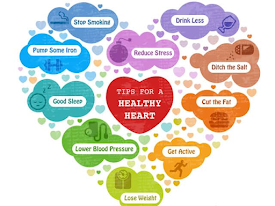
Healthy Heart Lifestyle Changes

Making healthy heart lifestyle changes is a positive commitment to yourself and your loved ones, but it is not always a simple process. Creating a healthy lifestyle can be stressful, time consuming, and often filled with confusing and unhealthy choices.

Along with healthy lifestyle activities such as regular exercise, not smoking, and lowering stress levels, eating a variety of healthy foods is excellent for your heart health. The American Dietetic Association recommends adding these foods to your regular diet to jump start your healthy heart journey.

  • Blueberries are packed with the colorful antioxidant, anthocyanin, fiber, vitamin C, and are easy to find year-round. Blueberries are great on their own, but they add amazing flavor to cereal, smoothies, or salads.
  • The American Heart Association recommends including omega-3 rich foods into your diet at least twice a week for a healthy heart. Salmon is loaded with protein and omega-3 fatty acids.  Salmon is easy to cook and has a pleasant flavor. Try grilled or baked salmon paired with a fresh spinach salad or grilled vegetables.
  • For many, oatmeal is a staple in a heart healthy diet. Whole grain oats are an excellent source of vitamins, minerals, and most importantly, cholesterol-lowering fiber. Oatmeal is tasty on its own or it can be dolled up by adding various fruits and berries. Oatmeal is a great substitute when baking. Replacing one-third of the flour in a pancake, muffin, or cookie recipe with oatmeal will add in fiber without taking away from the taste! If you are interested in trying overnight oats for an easy breakfast, visit http://agentsarah.blogspot.com/ for several overnight oat recipes.
  • The benefits of eating spinach are too long to list. Just remember, Popeye was on to something! Spinach is loaded with vitamins and minerals, notably folate and iron. If you or someone you know is pregnant or trying to become pregnant spinach should be a regular on the menu. Fresh spinach is delicious in a salad or blended up in a green smoothie.

Texas A&M AgriLife Extension’s Dinner Tonight Program is a great resource for healthy, tasty, and budget-friendly recipes. Visit https://dinnertonight.tamu.edu or follow Dinner Tonight on Facebook for daily recipes and health tips.

Having a healthy heart requires a mixture of activities and lifestyle changes. Strive to create a healthy balance between exercise, diet, and lifestyle. If healthy habits are new to you, start out slow by making small changes over time. Healthy habits do not form overnight, so it is important to be patient with you progress. Remember, Rome was not built in a day!

If you have questions or concerns, please contact me, Sarah.Latham@ag.tamu.edu or (903) 473-4580. To view upcoming events or additional information please visit https://rains.agrilife.org/ or follow Rains County AgriLife on Facebook.


Thursday, December 1, 2022

Holiday Health Tips

This most wonderful time of the year is known for cozy weather, family gatherings, and delicious holiday meals and treats. Many times, these foods are high in calories, saturated fats, sodium, and added sugars. Therefore, it is important to be mindful of the foods and portions we are choosing. “Holiday foods play an important role in bringing people together and connecting us with culture and traditions, but keep in mind that moderation is key”, said Amy Valdez, Extension Program Specialist with Texas A&M AgriLife Extension. “One should aim to include these recipes as a part of a well-balanced meal for a healthy holiday season”, Valdez continued.

Cooler outdoor temperatures might also encourage us to be more sedentary. Physical activity is just as important as making conscious food choices. According to the Physical Activity Guidelines for Americans, adults should incorporate at least 150 minutes of moderate-intensity physical activity and two days of muscle strengthening into their weekly routine. Physical activity does not have to be traditional exercise like running on a treadmill or lifting weights, it can be anything that gets your body moving. It can be an indoor or outdoor activity and can include gardening, dancing, or following along with an exercise video. With so many options, you are free to choose whatever activity you enjoy to help you get moving!  

Incorporating a few small changes can really make a difference during the holiday season. Here are some quick tips to make your holidays a little bit healthier:

  • Add to Your Plate - Instead of worrying about what to take off your plate this holiday season, add to it! Add colorful veggies and fruits, whole grains, lean protein, and low-fat dairy options to ensure you have a well-balanced meal. Don’t hesitate to enjoy and savor holiday favorites but eat those in moderation.
  • Avoid Distracted Eating - The holiday season is a prime time for endless snacking and many times we can eat mindlessly with distractions such as the television or an intriguing conversation. During this time, try setting a place at the table to eat and serving yourself a plate. Be mindful of the delicious foods that you are consuming and try to avoid distractions, if possible.
  • Include a Holiday Exercise Activity - Start a fun family tradition of incorporating physical activity this holiday season. Whether it be a family walk or a holiday 5k run, you’ll get your body moving by making memories and traditions with your family.

Dinner Tonight Cookbook


Tired of making the same thing over and over? Visit Texas A&M AgriLife Extension’s Dinner Tonight Program for delicious, budget-friendly recipes that are great to include in your holiday meals, visit https://dinnertonight.tamu.edu.

While the holidays can be a stressful time to stay healthy, trying these tips is a great starting point. More importantly, enjoy the family fun, make memories, eat those holiday treats, stay active, and have a happy holiday season!

If you have questions or concerns, please contact me, (903) 473-4580 or email Sarah.Latham@ag.tamu.edu. To view upcoming events or additional information please visit https://rains.agrilife.org/ or follow Rains County AgriLife on Facebook.


Monday, March 14, 2022

Finding Our Feet Podcast

We are just two 40-soemthing moms looking to get healthy and maybe run a few miles. Hosted by Texas A&M AgriLife Extension FCH Agents, Bethany Arie and Sarah Latham, this lighthearted podcast may be just what you are needing. So, if you are looking for a little extra motivation to help you get (or stay) in shape, join us for a weekly look into our fitness journey. 

Available on Apple Podcast, Anchor, and Spotify... Simply search Finding Our Feet. 

Follow us on Facebook for additional information!

Thursday, March 3, 2022

Sleep More for Good Health

sleepy owl
As we move into March, this seemed like a good time to highlight National Sleep Awareness Week, March 13th - 19th, and encourage a focus on quality sleep as a means of improving general health and well-being. Sleep deprivation is harmful to our cognitive functions, inadequate sleep can lead to decreased attention and alertness, altered abilities to plan and organize, reduced creativity, and an increase in unhealthy risk-taking. Although the amount of sleep needed and the effects associated with sleep deprivation will vary slightly from person to person, the importance of adequate sleep remains unchanged.

The CDC recommends 7 or more hours of sleep each night for adults and even more for children; school age children should get between 9-11 hours of sleep each night. Lack of sleep has been shown to contribute to weight gain and increase the risk of diseases, like heart disease and stroke.1 On average, adults living in Rains County got less sleep than the state and national average.

Erica Reyes, Program Specialist with Texas A&M AgriLife Extension, says, “regarding personal wellness, we often hear about the need for a good diet and an active lifestyle. Adequate sleep is the third component of a healthy lifestyle although it is often overlooked or underemphasized; getting the recommended hours is important.” Reyes also recommends health care providers assist by assessing patients’ sleep habits and discussing the importance of sleep, “it is important to assist in raising awareness by discussing sleep habits and by displaying patient education materials on sleep, sleep hygiene, and specific sleep disorders in waiting and exam rooms.”

Over the past two decades, the importance of sleep has received increased attention. Melatonin (a hormone that is naturally produced by the body to induce sleep) supplement sales have sky rocked, increasing roughly 500% from $62 million in 2003 to $378 million in 2014; 20% of Americans have tried a natural sleep remedy in the past year. In addition to sleep supplements, wearable devices and smartphone apps have expanded to include sleep functions; nearly 30% of adults in the US use a smartphone app to track their sleep.3  

Our attempts to reduce weight, maintain peak performance at work, and communicate with others are all dependent on getting enough sleep. Here are three tips to help obtain the rest your body requires to function healthily.

Stick to a schedule:  Our brain determines the time frames for our day and night schedule depending on our sleep routine and sleep cycles. When we disrupt those time frames by significantly altering our sleeping patterns for a few days, we might spend the remainder of the week off our schedule. Sticking to a specific bedtime and wake time is important in establishing a good sleep pattern.

Turn down the lights: Light plays an integral role in regulating our body’s internal clock responsible for sleep (aka: circadian rhythm). When our eyes process light, our body’s natural production of melatonin slows down (and sometimes stops completely) which minimizes drowsiness. As a part of your sleep schedule, select a time each evening to lower light levels in your home.

Limit caffeine intake: Those who consume four or more caffeinated drinks per day are more prone to sleeplessness, so be mindful of coffee, tea, sodas, energy drinks, and their serving sizes. While most caffeine is consumed through beverages, it is important to know

Exercise: Regular exercise throughout the week may help boost the production of the hormone melatonin, termed the "sleep hormone." Simply ensure that your activity does not take place too close to bedtime, or it may have the opposite effect.

If you have tried these tips and still have trouble reaching the recommended hours of sleep, you may have a sleep disorder and need to talk with your doctor. Prepare for questions your doctor might ask by keeping a sleep journal.

If you have questions or concerns, please contact me, (903) 473-4580 or email Sarah.Latham@ag.tamu.edu.  To view upcoming events or additional information please visit https://rains.agrilife.org/ or follow Rains County AgriLife on Facebook.

Tuesday, June 15, 2021

What is BMI?

Do you ever leave the doctor’s office with more questions than answers? Or maybe you are familiar with a term or measurement the doctor used but need a refresher on what exactly it means or why it is important. Over my next few articles, I will discuss common assessments and terms that might come up at your next checkup. In addition to the focus of this article, Body Mass Index or BMI, look for articles exploring waist circumference, cholesterol types and levels, and blood sugar. 

Doctors and health care professionals use a variety of tools to make health evaluations; BMI is a common assessment tool you may have heard during your last visit. Developed in the mid-1800s, BMI is a simple way of assessing the general health of a person with an average fitness level. BMI was originally developed to evaluate overall populations, rather than an individual assessment, but due to ease of use, it has become a popular tool for health care providers. 

To calculate your BMI, divide your weight by your height squared, then multiply that result by 703. BMI is helpful to doctors because it categorizes patients into four categories (in the US): Underweight = <18.5, Normal weight = 18.5-24.9, Overweight = 25-29.9, and Obese = >30.  For example, if you weight 160 lbs. and you are 5’5” tall, to calculate your BMI you need to divide 160 (your weight in lbs.) by 4225 (height in inches squared or 65x65) and then multiply that by 703; (160/4225) x 703 = 26.6. Your BMI is 26.6 and this classifies you in the overweight category.

BMI is widely used as an overall measure of general health; however, it may provide a slightly skewed assessment for some. Due to the density of muscle vs. fat, an athlete or someone with a high muscle to fat ratio will have a higher BMI than someone of a similar shape and size with less muscle mass. If your calculation lands you in an undesirable category, you may need to address one or more aspects of your diet and/or activity level. Your healthcare provider will be happy to discuss your BMI and any associated actions needed.

In general, BMI is a useful tool. Even if you are not in the normal weight range, you can use the number to compare where you are to where you should be for health purposes. It is always important to remember that people come in all shapes and sizes and one assessment can only give a general idea of health. If you have questions regarding your BMI, talk to your health care provider. Before beginning any exercise, program or changing your physical activity patterns, you should always consult your health care provider. 

If you have questions or concerns, please contact me, (903) 473-4580 or email Sarah.Latham@ag.tamu.edu. To view upcoming events or additional information please visit https://rains.agrilife.org/ or follow Rains County AgriLife on Facebook.


Monday, April 19, 2021

Healthy Eating for an Active Life

Spring is here along with longer days and plenty of sunshine!  It is a great time of year to get outside and get moving with activities you enjoy, especially with your family. For youth and adults participating in physical activity like hiking, swimming, or various sports, healthy eating is essential for optimizing performance. Combining good nutrition and physical activity can lead to a healthier lifestyle. The U.S. Department of Agriculture’s MyPlate website (www.choosemyplyate.gov) has great recipes and tips to combine good nutrition and physical activity to make the most of your summer.

First, maximize with nutrient-packed foods. Give your body the nutrients it needs by eating a variety of nutrient-packed food, including whole grains, lean protein, fruits, vegetables, and low-fat or fat-free dairy. Eat fewer foods high in solid fats, added sugars, and sodium (salt).

Next, energize with grains. Your body’s quickest energy source comes from grain foods such as bread, pasta, oatmeal, cereals, and tortillas. Be sure to make at least half of your grain food choices whole-grain foods like whole-wheat bread, tortillas, pasta, and brown rice.

You do not want to forget to power up with protein. Protein is essential for building and repairing muscle.  Choose lean or low-fat cuts of beef and pork, and skinless chicken or turkey. Change things up a bit and choose seafood as your protein sources once or twice a week. Quality protein choices may come from plant-based foods, too. Beans and peas (kidney, pinto, black or white, beans, chickpeas, hummus), soy products (tofu, veggie burgers, tempeh), and unsalted nuts and seeds are great sources of protein and help variety in your diet.

We all know eating fruits and vegetables is an important part of a healthy diet. You can get the nutrients your body needs by eating a variety of colors; try blue, red, or black berries; red, green, or yellow peppers; and dark greens like spinach and kale. You do not have to limit yourself to fresh fruits and vegetables, frozen, low sodium canned, dried, and 100% juice are easy options, and they keep longer!

Dairy foods, such as fat-free and low-fat milk, cheese, yogurt, and fortified soy beverages (soymilk), help build and maintain strong bones needed for everyday activities. As we age, we often drink less milk or avoid cheese product, but remember to include dairy in your diet to achieve a balanced diet.

One of my favorite things to mention is hydration. Hydration is critical to our health and especially in the hot Texas summers. Stay hydrated by drinking plenty of water and avoiding sugary drinks. Try adding a lemon or orange slice for a change of flavor.

Remember, physical activity is essential for good health. Aim for at least 2 ½ hours of physical activity each week that requires moderate effort. A few examples include brisk walking, biking, swimming, and skating. Spread activities over the week but do that at least 10 minutes at a time.

If you have questions or concerns, please contact me, you may call (903) 473-4580 or email Sarah.Latham@ag.tamu.edu. To view additional information or upcoming events please visit https://rains.agrilife.org/ and follow Rains County AgriLife on Facebook.


Friday, November 20, 2020

Healthy Holidays

I thought with social gatherings being limited this year, it would be easier to avoid the holiday treats that seem to be my seasonal downfall. I was wrong, sort of. Even though I have not attended as many in person functions this year, I am guilty of baking more on my own. My social media news feeds are filled holiday food posts, from fancy new finger foods to a twist on an old favorite. I am bombarded with temptation from every direction and apparently, I am not alone. Statistica (2019) reported a more active lifestyle and weight loss as being at the top of resolutions each year.

While Thanksgiving and Christmas gatherings may look different this year, many are like me and will still bake their favorite holiday dishes. As warm and fuzzy as comfort foods make us feel, it is important to remember there may be fewer mouths to feed; and while it is tricky to stay on a healthy path during the holidays, it is not impossible. If you are like me and struggle to eat healthy and stay active during the holidays, be sure you keep the challenges this year has added in mind. However, all hope is not lost, there are a few healthy holiday tips that may help you avoid becoming a New Year’s resolution statistic. 

Moderation, modification, and movement may be your best friends this holiday season. Moderation is an essential part of enjoying the tastes you crave while maintaining a healthy goal. Go ahead, enjoy the dressing or potatoes you have looked forward to for months or eat a piece of the pie you only bake once a year. Just be sure you do not to eat the entire pie. In other words, do not try to avoid the temptation, that is an uphill battle. Instead, allow yourself to indulge a little (in moderation).

Likewise, if your holiday meal went from a gathering of thirty to a gathering of four, modify what you cook so you are not facing an overabundance of leftovers. In addition to modifying the amount of food, you may also want to try your favorite dish with a healthy twist. You may be surprised at how delicious a healthy substitution can taste! The American Heart Association (2020) recommends these simple substitutions:

  • Instead of 1 cup of whole milk, try 1 cup of skim milk plus one tablespoon of liquid vegetable oil.
  • Instead of 1 cup heavy cream, use ½ cup low-fat yogurt.
  • Instead of unsweetened baking chocolate (1-ounce), try 3 tablespoons unsweetened cocoa powder.
  • Instead of sour cream, use an equal amount of Greek yogurt.
  • Instead of 1 cup sugar, try ¾ cup plus one tablespoon of honey.

Finally, make sure you stay moving. Focus on little movements throughout the day, like vacuuming or playing catch with your children; staying physically active does not mean you need to run a marathon every day, being conscious of little adjustments can make a big difference. If stress is a part of your holiday season, try going for a short walk. A 30-minute walk will provide a boost of energy and the endorphins released will improve your mood and lower your stress levels.

Whether you want to stay healthy or want to head in a healthier direction during the holidays, small changes may be just what you need, just remember the three m’s, moderation, modification, and movement.

The Rains County Texas A&M AgriLife Extension Office wishes you a happy and healthy holiday season. If you have questions or concerns, please contact me, (903) 473-4580 or email Sarah.Latham@ag.tamu.edu. Follow Rains County AgriLife on Facebook for additional information and upcoming events.

References:

American Heart Association. (2020). Smart Substitutions to Eat Healthy. https://www.heart.org/en/healthy-living/healthy-eating/cooking-skills/cooking/smart-substitutions-to-eat-healthy

Statistica. (2019). America’s Top New Year’s Resolutions for 2020. https://www.statista.com/chart/20309/us-new-years-resolutions-2020/


Monday, August 31, 2020

Your Skin and Healthy Aging

Our skin is the largest and fasting growing organ in our body. It is imperative that we focus on taking care of our skin just like we focus on our overall health. As we age, our skin becomes drier and we lose elasticity in our skin, which may cause sagging and fine lines to appear.  The most helpful tips to keep in mind when preventing skin damage are:

  • Limit direct sun exposure for longer periods of time and use at least a SPF30 sunscreen.
  • Wash and moisturize your skin regularly.
  • Sleep for 7-8 hours daily to boost a clear complexion. 
  • Stop tobacco use and limit alcohol consumption.
  • Drink plenty of water to keep hydrated. 
  • Eat a healthy diet with a variety of fruits, vegetables, whole grains, and beans.

“A healthy diet shows with healthy skin”, says Elaine Montemayor-Gonzalez, Extension Program Specialist with Texas A&M AgriLife Extension.  Montemayor- Gonzalez continues, “What we put in our bodies greatly affects the aging of our skin, so foods with antioxidants and essential fatty acids are the most important foods to consider for keeping your skin healthy”. Antioxidants help prevent free radical damage, which can lead to skin problems such as sagging, wrinkled, or blemished skin. Some of the best antioxidant rich foods are berries, beets, spinach, kale, and 70% cocoa dark chocolate.

Other antioxidant rich foods that are also beneficial for healthy skin are loaded with fatty acids and vitamins A, C, and E. 

These essential nutrients all work together to help support, protect, and produce new skin cells for your body.

  • Omega 3 Fatty Acids are healthy fats that naturally help moisturize your skin, keep skin flexible and protect from sun damage.  Try foods such as salmon, walnuts, and flaxseeds.
  • Vitamin A can be sourced from food we eat through beta carotene.  Vitamin A helps with new cell production, growth, and helps prevent wrinkled skin. Excellent sources to include in your diet are sweet potatoes, broccoli, carrots, and mango. 
  • Vitamin C is an antioxidant that protects your skin from oxidative damage caused by the sun, which can lead to visual signs of aging.  It also helps support collagen formation to keep skin strong and firm.  Vitamin C is added to many topical serums and creams due to its superpower to help reduce the appearance of brown spots, red marks, and skin irritations.  Top foods high in vitamin C include chili peppers, yellow bell peppers, tomato, lemons, oranges, and strawberries.
  • Vitamin E is an essential nutrient with anti-inflammatory properties that aids in supporting cell function and skin health. Vitamin E is beneficial at reducing UV damage to skin and with the help of nutritious foods, can be absorbed better when combined with vitamin C. Vitamin E is also available for topical use in anti-aging creams, eye serum, sunscreens, and makeup. Sunflower seeds, avocado, salmon, trout, nuts, and olive oils are some of the foods with vitamin E.

Keep your skin and body healthy by adding a variety of foods to get the best all-around nutrition.  Your skin will age with time but preventing skin damage is key to a longer radiant glow. 

Try new recipes that incorporate more antioxidants and fatty acids, visit dinnertonight.org to help you plan your meals.

If you have questions or concerns, please contact me, (903) 473-4580 or email Sarah.Latham@ag.tamu.edu. Follow Rains County AgriLife onFacebook for additional information and upcoming events.

Thursday, July 16, 2020

Eating a Healthy Breakfast


We have always been told, “breakfast is the most important meal.” Making sure you and your family eat a healthy breakfast is the best way to start each day on the right track. A healthy breakfast can help optimize mental function, support healthy weight goals, and build a strong immune system. The U.S. Department of Agriculture (www.choosemyplate.gov) recommends a healthy meal include a balance of fruit, vegetables, grains, and protein.


A healthy breakfast should include, but is not limited to, the following components:
  • Whole grains such as oats, whole wheat bread, or quinoa
  • Lean protein such as eggs or turkey sausage
  • Fruit or vegetables such as berries, bananas, broccoli, or spinach

These breakfast components assist our bodies with day to day bodily functions. Whole grains give us energy and fiber. Protein helps to keep us fuller longer, and fruit and vegetables provide us with vitamins, antioxidants, and fiber. Amy Valdez, Extension Program Specialist with Texas A&M AgriLife Extension adds, “this combination of food is going to make sure you stay satisfied throughout the day and will keep you energized and focused.”

Meal planning and prepping are two relatively simple ways to help you stay on track.
  • Plan - Planning is key when it comes to breakfast. Create a menu of breakfast options for the week. When shopping, stick to these foods to help reduce the chance of choosing unhealthy options and to save you time and money.
  • Prepare– If time is limited in the morning, we tend to choose the first foods we see, which may not always be the healthiest. This can be avoided by either preparing the entire week’s meals or simply prepare portions of your breakfast to save you time.

If you need a few ideas to get you started, Overnight Vanilla Oats and Egg Muffins are two of my favorite breakfast on the go recipes (click here to download recipe cards). 
  • Overnight Vanilla Oats – 1 cup oats, 1 cup vanilla flavored almond milk, and ¼ cup of your favorite nuts and/or fruit are optional. Mix the oats and almond milk together and pour into two 8 oz wide mouth jars with lids, splitting evenly. Secure the lids and refrigerate overnight. You may add your optional items with the initial mixture or in the morning, depending on how you like them (depending on your optional add-in, soaking overnight in the mixture may make them mushy). Oats may be stored up to five days in the refrigerator, just remember, the longer they sit, the softer your oats will become. (Makes 2 servings. Serving Size: 8 oz. Per Serving (before optional add-ins): 195 Calories, 3.9g Fat, 34.7g Carbohydrates, 5.9g Protein.)
  • Egg Muffins – 5 eggs, ½ cup real bacon bits, ½ cup grated cheddar cheese, salt and pepper to taste. Preheat oven to 400°F. Grease a 6-count muffin tin (or use silicon muffin baking cups). Mix ingredients together in a bowl. Divide evenly in muffin cups (about ¾ full). Bake until muffins are set and beginning to brown (roughly 12-15 minutes). Muffins may be stored up to five days in the refrigerator. Just grab one, heat it up (or eat it cold), and go! (Makes 6 servings. Serving size: 1 Muffin. Per Serving: 124 Calories, 8.8g Fat, .4g Carbohydrates, 11g Protein.)

If you have questions or concerns, please contact me, (903) 473-4580 or email Sarah.Latham@ag.tamu.edu. Follow Rains CountyAgriLife on Facebook for additional information and upcoming events.


Monday, April 6, 2020

Gardening (COVID-19)


Abraham Maslow, a 20th century American psychologist, developed a classification system of universal requirements for survival, also known as the hierarchy of needs. This classifications system is often depicted as a pyramid with the most basic needs of survival, the physiological needs, on the bottom, narrowing to psychological needs and then self-fulfillment needs. The physiological needs are those required to sustain life, they include items such as food, water, shelter, sleep, and health. Physiological needs are universal and must be met before needs further up the pyramid can be achieved[1].

If you have been to the grocery store lately, you have more than likely seen empty shelves or limits on items in high demand. Among other things, the COVID-19 pandemic has put our basic physiological needs in the spotlight. As grocery stores struggle to keep up with food demands, many are looking at ways to supplement their food supply by gardening. 

Besides self-reliance, gardening has several health benefits. Gardening acts as a natural stress reliever by lower cortisol (stress hormone) levels and as a mood enhancer by increasing serotonin levels. Working with the soil and caring for plants creates a calming effect that can be rejuvenating[2]. Furthermore, when we start to reap the benefits of the investment, the positive effects are reinforced. There is a unique pride that comes with growing your own food and reducing your reliance on others for survival. 

Not only is gardening good for mental health, it is also good for physical health. Three hours of moderate gardening is roughly equivalent to an hour spent in the gym. Since access to gyms has been put on hold, gardening is an excellent alternative. As a bonus, time spent in natural sunlight triggers the body’s vitamin D production which aids in the reduction of inflammation and in calcium absorption (needed for strong bones).[3] 

If you are interested in starting a small garden (again, a great way to pass the time at home), Texas A&M AgriLife has an online introductory course, Gardening 101, to help guide you. This course is designed to help develop and maintain a garden suited to each unique situation. The course covers various topics including plant growth and development, soil, water and plant nutrition, earth-kind landscaping, plant health, fruit and nut plants, vegetable and herb gardening, and much more.  If you are interested in taking this (or any other available) online course, visit https://agrilifelearn.tamu.edu/ and select Plants and Garden. In addition to the garden course, you may be interested in any one of the Food and Nutrition courses offered at the same link. Shameless plug alert, if you follow the Rains County AgriLife Facebook page, we recently shared an article on easy to grow vegetables. 


If you have questions or concerns, please contact me, (903) 473-4580 or email Sarah.Latham@ag.tamu.edu. If you have specific plant or soil questions, the Rains County Ag Agent, Stephen Gowin, is happy to help. Follow Rains County AgriLife on Facebook for additional information and upcoming events. 


[1] McLeod, S. (2020). Maslow’s Hierarchy of Needs. Simply Psychology.
[2] Paddock, C. (2007). Soil Bacteria Work in Similar Ways to Antidepressants. Medical News Today.
[3] Vitamin D. (2020). National Institutes of Health, Office of Dietary supplements.


Wednesday, February 26, 2020

Rains County FCH Agent Introduction

My name is Sarah Latham-Staton and I am the new Texas A&M AgriLife Extension Family and Community Health (FCH) Agent in Rains County.  I recently transferred from the same position in Hunt County where I worked since 2015.  Prior to working in Extension, I worked as the Programs for Minors Coordinator at Texas A&M University-Commerce and before that, I was the Human Resources Manager for the Dallas Cowboys.  I graduated from the University of North Texas with a B.A. in Sociology and, while working at TAMUC, earned a M.S. in Sociology and a M.S. in Health Administration and Promotion.  I am currently working on my Ph.D. in Psychology and will hopefully finish in December 2020. 

I am married to my husband, Bradly, and have two children, Holly and Henry.  We have one dog, seven fish, and four busy schedules.

My programs focus on Healthy Aging, Healthy Families, Healthy Children, Food & Nutrition, and Overall Wellness.

I am excited to working in Rains County and I look forward to meeting new people!

Sarah Latham-Staton
County Extension Agent, Family & Community Health
Texas A&M AgriLife Extension, Rains County
Sarah.Latham@ag.tamu.edu
(903) 473-4580


Thursday, January 16, 2020

Eat Smart to Live a Heart Healthy Life


Following a healthy lifestyle by eating balanced nutritious meals, engaging in daily physical activities, and avoiding smoking and excessive alcohol consumption may help reduce the risk factors of heart disease. Heart disease is the leading cause of death among American men and women causing about 647,000 deaths per year (Centers for Disease Control and Prevention). Heart disease can be prevented or delayed by controlling several underlying medical conditions such as diabetes, high blood pressure, elevated blood cholesterol levels, and weight gain.

Several diet-related chronic diseases including heart disease can be prevented or managed by following a healthy eating pattern—one that is nutritionally adequate with appropriate calories (Dietary Guidelines for Americans 2015-2020). Sumathi Venkatesh, a Health Specialist with Texas A&M AgriLife Extension Service shares a few tips to eat smart for a heart healthy life:
  • Fruits and vegetables are essential components of a healthy diet. However, most people do not eat enough fruits and vegetables. A person consuming 2000 calories should include about 2½ cups of vegetables and 2 cups of fruits every day. You may include them in a variety of forms—fresh, canned, dried or frozen.
  • Choose low-fat dairy products. They provide the same nutrients as the regular kind but with less fat and calories.
  • Avoid trans fats and limit saturated fats to less than 10% of your daily calories. Replace butter with spreads made of monounsaturated fats (canola, olive, peanut, and sunflower) or polyunsaturated fats (corn, sunflower, and soybean). Mono- and polyunsaturated fats are liquid at room temperature and are ideal for daily cooking.
  • Limit refined grains by making half of your grains made up of whole grains. Whole grains are good sources of dietary fiber and many nutrients.
  • Include at least 8 ounces of seafood per week. Including seafood that are high in omega 3 fatty acids may protect your heart by reducing inflammation.
  • Reduce sodium intake to less than 2300 mg per day. However, the ideal limit for most adults and those who are at risk for heart disease is no more than 1500 mg per day. Excess dietary sodium increases blood volume and may increase the risk for high blood pressure.
  • Avoid excess calories from sugar sweetened beverages. The calories from added sugars should be less than 10% of your daily calories.
  • Lastly, practicing portion control is key. Excess calories may lead to weight gain.

If you have questions, concerns, would like additional information on heart health, please call (903) 455-9885, email Sarah.Latham@ag.tamu.edu.  For additional information on area issues and events, follow us on Facebook, by simply searching for Hunt County AgriLife. 


Thursday, May 23, 2019

May is Blood Pressure Awareness Month. Do you know your numbers?


According to the American Heart Association, nearly half of American adults are living with high blood pressure (also called hypertension), yet many are unaware that they have it. In kids and teens, elevated blood pressure is becoming increasingly common, which may lead to health problems later in life. During May’s National High Blood Pressure Education Month, Texas A&M AgriLife Extension is working to raise awareness and share the most important tips to prevent or manage high blood pressure. 

Knowing your risk factors is the first key prevention strategy. “Besides age, genetics and a family history of high blood pressure, there are lifestyle risk factors that you can control, such as obesity, poor diet, physical inactivity, smoking, and excessive alcohol consumption,” said Dr. Sumathi Venkatesh, a health specialist with Texas A&M AgriLife Extension Service. “Certain medical conditions like diabetes can also increase the risk of developing high blood pressure,” she added.

Because there are no obvious symptoms or warning signs for high blood pressure, it’s often called a “silent killer.” That’s why regularly monitoring your blood pressure and understanding your results is another key prevention strategy. A blood pressure measurement includes two numbers: The top number measures systolic pressure, which is the force of the blood against the arteries when the heart beats, and the bottom number measures diastolic pressure, which is when the heart is relaxing between beats. A blood pressure reading of 120/80 is considered normal, while readings above 130/80 mean a diagnosis of high blood pressure. 

Knowing your numbers could save your life. “Chronic uncontrolled high blood pressure can damage blood vessels and result in heart attack or stroke, the two leading causes of death in the U.S.,” said Dr. Venkatesh. “High blood pressure may also contribute to kidney disease, vision problems, and peripheral artery disease, but the good news is that high blood pressure can be controlled by taking prescribed medications and following a healthy lifestyle.” 

Following The Dietary Approaches to Stop Hypertension, or “DASH” dietary pattern, is one of the best ways to prevent or treat high blood pressure. This healthy approach includes eating plenty of fruits and vegetables plus whole grains, nuts, fish, lean meat and low-fat dairy products, while limiting added sugars and saturated fats. Sodium intake should not exceed 1500 mg per day, so it’s important to check the sodium content listed on the nutrition facts label for any packaged foods. Other key prevention strategies include maintaining a healthy weight, exercising for at least 30 minutes a day, and avoiding smoking and excessive alcohol consumption. Finally, be sure to talk with your doctor if you have any health concerns or challenges. Healthy blood pressure is a target within reach.

For help understanding your blood pressure numbers, click here

As always, if you have questions, concerns, or just want to chat, please feel free to call (903) 455-9885, email Sarah.Latham@ag.tamu.edu, or come by the Hunt County Extension office, 2217 Washington Street, Greenville, Texas, 75401. You can also read more about this and many more topics on our website, https://hunt.agrilife.org.


Tuesday, April 2, 2019

Rethink Your Drink - Infused Water Recipes

One of the biggest complaints when trying to increase your water intake is that it gets boring. If this is the case for you, try infusing your water with fresh or frozen fruit. Water bottles with infusion compartments are now easy to find, but you don’t have to have a special water bottle you can just place the fruit directly in your bottle and drink up. Check out some of my favorite flavor combinations in here.

Friday, January 11, 2019

Loving your heart - for the health of it!

While February is best known for Valentine’s Day, did you know that it is also American Heart Month? This February, Texas A&M AgriLife Extension Service recommends giving your heart love, too, by being aware of heart problems and the steps you can take to prevent them.

Coronary Heart Disease (CHD) is the leading cause of death in the United States, accounting for 610,000 deaths each year, according to the Center for Disease Control (CDC). The root cause of heart disease is plaque formation and buildup that occurs when coronary arteries become clogged by cholesterol, fatty deposits, and calcium. Buildup causes arteries to become narrow, making it difficult for oxygen and blood to flow through the body and to the organs.

Anyone is at risk for developing heart disease. However, people who have high blood pressure, high cholesterol, and smoke cigarettes are at higher risk. According to the CDC, about 47% of Americans have at least one of these risk factors. Additional factors that contribute to the progression of the disease include:

                     Diabetes
                     Being overweight or obese
                     Poor diet
                     Physical inactivity
                     Excessive alcohol use
                     Having a family history of heart disease
                     Age, especially in women 55 and older

Dr. Sumathi Venkatesh, Extension Program Specialist with Healthy South Texas, recommends taking preventative measures by becoming aware of risk factors and consulting with a doctor on a regular basis. Developing a treatment plan with a physician can help stabilize blood pressure, blood sugar, and blood cholesterol levels. Other preventative measures include:

                     Eating a healthy diet that includes fruits and vegetables
                     Being physically active
                     Stopping the use of cigarettes
                     Limiting alcohol intake
                     Reducing sodium intake

When it comes to pursuing a healthy lifestyle, try incorporating heart healthy foods into your diet such as green, leafy vegetables, avocadoes, whole grains, and seeds. Add these ingredients into meals like Quinoa Cakes, a Fresh Berry Caprese Salad, or an Avocado Mandarin Salad by using recipes from AgriLife Extension’s Dinner Tonight. To find more recipes, visit dinnertonight.tamu.edu.

As always, if you have questions, concerns, or just want to chat, please feel free to call (903) 455-9885, email Sarah.Latham@ag.tamu.edu, or come by the Hunt County Extension office, 2217 Washington Street, Greenville, Texas, 75401. You can also read more about this and many more topics on my blog,  http://agentsarah.blogspot.com/

References:

Centers for Disease Control. (2019). https://www.cdc.gov/heartdisease/facts.htm